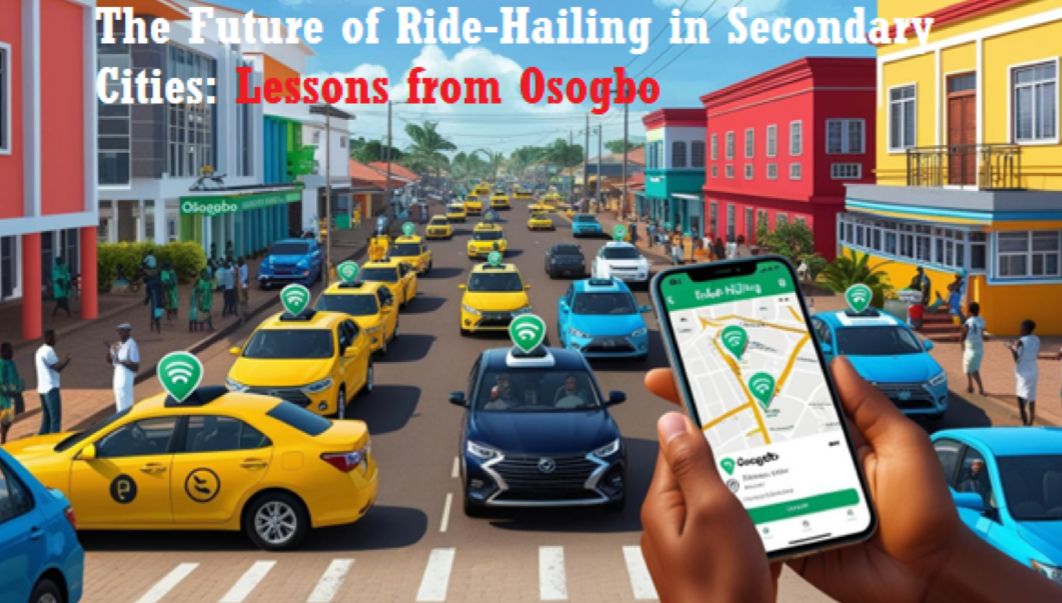
The Future of Ride-Hailing in Secondary Cities: Lessons from Osogbo
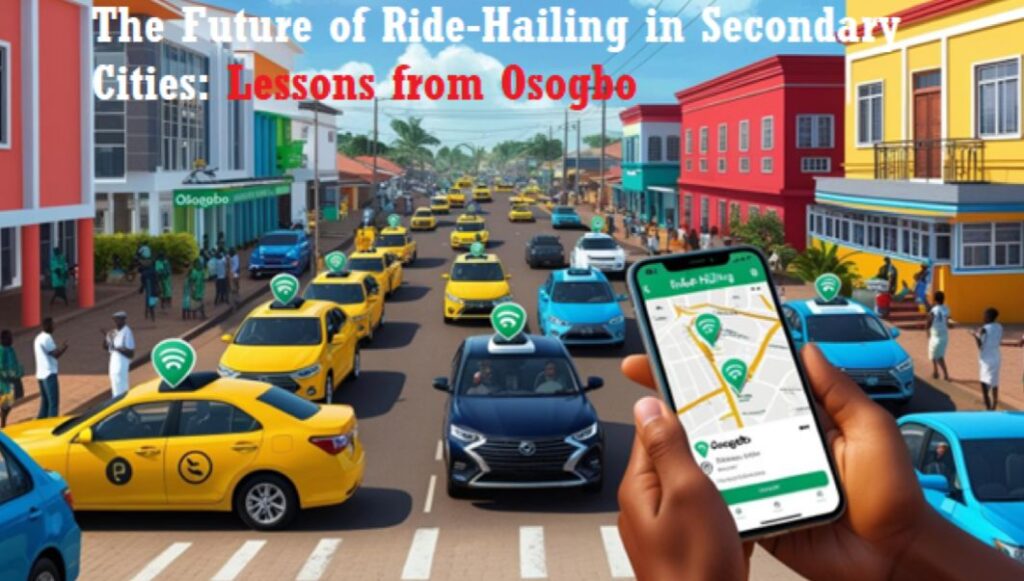
By Afeez Akinfola Oyinloye, Founder/CEO at MacTech Nigeria
In Nigeria, when people speak of tech innovation, they often look toward Lagos — the booming city where unicorns are born. But this 2021, a new reality is emerging: Nigeria’s secondary cities like Osogbo, Akure, and Ilorin are quietly becoming fertile ground for product-led tech innovation. I took the leap to launch WakaForMe Ride in Osogbo, and we now serve over 1 million users nationwide. Our success here wasn’t an accident—it’s a blueprint others can follow.
Secondary cities present a unique opportunity for mobility startups. These urban centers suffer from inefficient public transportation, unregulated fares, and fragmented informal taxi systems. In Osogbo, commuters regularly endured long waits, pricing guesswork, and safety concerns. I launched WakaForMe Ride to fix that, but we had to localize our approach completely.
First, infrastructure constraints shaped our tech decisions. Osogbo has irregular internet coverage and power supply. So via my company MacTech O.A Nig. Entreprises we built WakaForMe with offline booking features, lightweight APIs, and multi-platform compatibility, including USSD. We deployed Firebase for scalability and kept UX lean to cater to users with low-end smartphones. In six months, we hit over 500,000 users.
Secondly, we embraced trust-building. We onboarded over 1,350 verified drivers, provided them with branding kits and ID cards, and partnered with local tailors and printers to produce them—creating indirect jobs. By integrating driver verification with community engagement, we improved safety perception by 65% in our pilot phase.
Third, we tackled payment friction. In regions where mobile money isn’t dominant, we integrated hybrid payments—accepting both cash and USSD-linked wallet payments. This increased trip completion rates and built user confidence.
Finally, we executed hyperlocal marketing. From radio jingles to faith-based group partnerships, we used cultural context to drive adoption. These efforts gave us a user retention rate of 78%, outperforming industry averages.
While much of the African ride-hailing market is dominated by large players focused on megacities, secondary cities offer untapped potential. With lower competition, more community trust, and agile product fit, startups can achieve product-market fit faster—and more affordably.
If Nigeria wants to expand tech inclusion, we must move beyond Yaba and Lekki. Innovators should look to Osogbo, Enugu, Uyo, and beyond. The infrastructure challenges are real, but so is the reward. At my MacTech, we’ve proven that when you build for where people are, not where the headlines are, you unlock real transformation.